

- industrial air compressor
- desiccant compressed air dryer
- diesel air compressor
- large vacuum pump
- oil free piston air compressor
- oil free screw air compressor
- oil free scroll air compressor
- pm vsd dual stage screw air compressor
- pm vsd single stage screw air compressor
- refrigerated air dryer
- screw blower
- single stage double screw air compressor
- two stage double screw air compressor
- ultra high pressure air compressor


 English
  Français
  Tiếng Việt
  Italiano
  Nederlands
  Türkçe
  Svenska
  Polski
  Română
  Latviešu
  한국어
한국어  Русский
  Español
  Deutsch
  Українська
  Português
  العربية
  Indonesian
  Čeština
  Suomi
Suomi  Eesti
Eesti  Български
  Dansk
Dansk  Lietuvių
  Bokmål
  Slovenčina
  Slovenščina
  Ελληνικά
  Magyar
  עברית
עברית 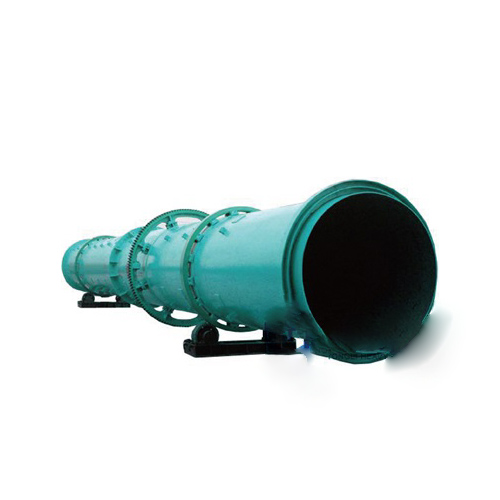
sludge rotary dryer with green and energy saving design
Sludge rotary dryer using rotary drum structure, the moisture content of up to 80% to 90% of the wet sludge, through the hot air drying into the moisture content of less than 10% of the loose dry material, not only to reduce the volume, but also to facilitate the transportation, stacking and resource utilization.
Description
Sludge Rotary Dryer Overview
With the increasing capacity of urban sewage treatment, the quantity of sludge as a by-product of sewage treatment is growing rapidly, and scientific and reasonable treatment of sludge has become an important issue of environmental protection and resource utilization.
Features of Sludge Rotary Dryer
- Strong adaptability: suitable for municipal sludge, printing and dyeing sludge, electroplating sludge, paper sludge, chemical sludge and other highly viscous materials.
- Flexible operation: wide range of feed moisture, discharge moisture content can be flexibly adjusted according to demand.
- Optimized structure: There are many kinds of lifting boards and cleaning devices in the cylinder to prevent the material from clumping and sticking to the wall.
- Continuous production: the equipment can realize 24 hours continuous and stable operation, high production efficiency.
Advantages of Sludge Rotary Dryer
- High efficiency and energy saving: by optimizing the airflow channel and heat exchange mode, the heat utilization rate is significantly improved, and the energy saving is 15%-25% than the traditional dryer.
- Low maintenance: simple and durable mechanical structure, built-in self-cleaning system significantly reduces the blockage and equipment loss, reducing downtime for maintenance.
- Environmental protection: equipped with multi-stage dust removal and exhaust gas treatment system, effectively control dust and odor emissions to meet national environmental requirements.
- Intelligent control: optional automation control system, real-time monitoring of temperature, humidity and material in and out of the situation, improve the reliability of operation and consistency of finished products.
Working Principle of Sludge Rotary Dryer
The sludge is evenly sent into the drum of rotary dryer through the conveying device, the drum rotates slowly, and the material is lifted and thrown by the lifting board along with the rotation of the cylinder body, forming a uniform material curtain and enhancing the contact area between the sludge and the hot air. The hot air (gas, coal, steam or biomass heat source can be used) passes through the material in a downstream or countercurrent manner, rapidly taking away the moisture.
At the same time, the scraper and chain cleaning device inside the drum continuously stirs and crushes the sludge lumps to prevent sticking and lumping and improve the drying uniformity. The dried sludge is discharged from the discharge port, and the exhaust gas is purified by the dust collector and discharged according to the standard. The whole system maintains micro-negative pressure operation to prevent leakage and pollution, and the operation is safer.
Application Fields of Sludge Rotary Dryer
- Municipal sludge treatment: The remaining sludge produced by the city sewage plant is dewatered and reduced, which is convenient for incineration, landfill or brick making.
- Industrial waste sludge drying: such as textile printing and dyeing, electroplating, papermaking, pharmaceutical and chemical industry sludge resource utilization.
- Agricultural waste treatment: livestock and poultry wastewater sludge, organic fertilizer pre-treatment drying.
- Soil remediation and building materials use: dried sludge can be used for cement manufacturing, ceramic production, land improvement and other resource ways.
- Energy reuse: part of the dried sludge can be directly used as fuel for incineration and power generation, to enhance the energy utilization rate.