

- industrial air compressor
- desiccant compressed air dryer
- diesel air compressor
- large vacuum pump
- oil free piston air compressor
- oil free screw air compressor
- oil free scroll air compressor
- pm vsd dual stage screw air compressor
- pm vsd single stage screw air compressor
- refrigerated air dryer
- screw blower
- single stage double screw air compressor
- two stage double screw air compressor
- ultra high pressure air compressor


 English
  Français
  Tiếng Việt
  Italiano
  Nederlands
  Türkçe
  Svenska
  Polski
  Română
  Latviešu
  한국어
한국어  Русский
  Español
  Deutsch
  Українська
  Português
  العربية
  Indonesian
  Čeština
  Suomi
Suomi  Eesti
Eesti  Български
  Dansk
Dansk  Lietuvių
  Bokmål
  Slovenčina
  Slovenščina
  Ελληνικά
  Magyar
  עברית
עברית 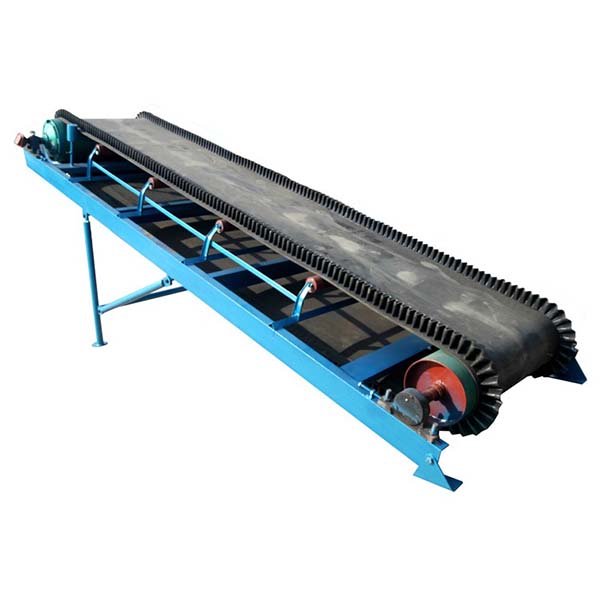
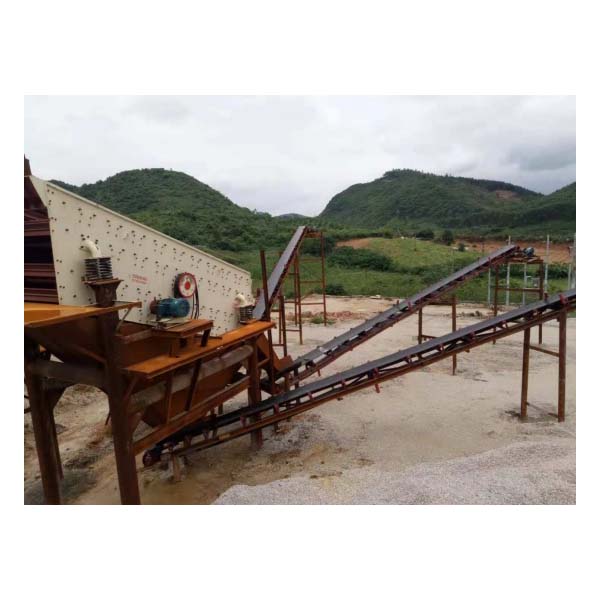


belt conveyor that can be used in multiple transfer units
Belt conveyor is a kind of continuous conveying equipment widely used in all kinds of industrial production sites, mainly used for conveying bulk materials or pieces of goods.
Description
Belt conveyor has the advantages of strong conveying capacity, good adaptability, smooth operation, etc. It is a good choice for material conveying in mining, metallurgy, chemical industry, electric power, building materials, port and other industries. The equipment can be flexibly arranged for single operation according to the operational needs, and can also be combined to form a complex conveyor system. It is necessary to choose suitable belt type, structure form and protection measures according to different use environments to ensure long-term safe and efficient operation.
The characteristics of belt conveyor:
- The conveyor belt as traction and carrying components, with continuous operation, conveying the characteristics of smooth, suitable for all kinds of materials, especially fragile or easy to spread the goods.
- The structure of the equipment is simple, high degree of standardization of components, easy to install and routine maintenance.
- Can choose different materials of conveyor belt, such as high temperature resistance, acid and alkali resistance, oil resistance, anti-static, etc., in order to meet the needs of a variety of complex environment of conveying.
- It can be flexibly arranged for horizontal, inclined or vertical conveying according to the site conditions to meet the requirements of different space layout.
- There is almost no relative sliding between the material and the belt body during the running process of the conveyor belt, which effectively reduces the damage to the material.
The main advantages of belt conveyor:
Belt conveyor has significant advantages in conveying distance, efficiency, automation degree and so on. First of all, its conveying length can be flexibly adjusted according to the needs, up to several thousand meters, suitable for large-scale, long-distance material transfer. Secondly, it is easy to be matched with other equipments to realize continuous production and assembly line operation. Low energy consumption and low noise during the operation of the equipment help to create a good working environment. In addition, the conveying system supports centralized control and can be connected to industrial automation system to enhance the overall intelligence of the production line.
Working principle of belt conveyor:
It is mainly composed of driving device, conveyor belt, carrier roller, redirecting roller, tensioning device and frame. The motor drives the active roller to rotate through the reducer, and the friction between the active roller and the conveyor belt is utilized to make the conveyor belt move continuously. The movement of the conveyor belt drives the material to move from the loading point to the discharging point, forming a continuous material flow. The central roller plays a supporting role to prevent the conveyor belt from sagging, while the tensioning device is used to adjust the tension of the conveyor belt to ensure stable and reliable operation of the equipment.
Application areas of belt conveyor:
- Mining industry: used for ore, coal, slag and other materials on the ground or underground transportation.
- Chemical industry: used for conveying raw materials, intermediate products or packaged finished products.
- Cement and building materials industry: suitable for conveying granular or powdery materials such as sand, cement and lime.
- Harbor terminal: used for ship loading and unloading and bulk cargo handling to improve logistics efficiency.
- Power plant and hydropower station: conveying fuel, slag and other bulk materials.
- Automated production line: with robotic arm, sorting equipment, etc., to achieve intelligent material flow.